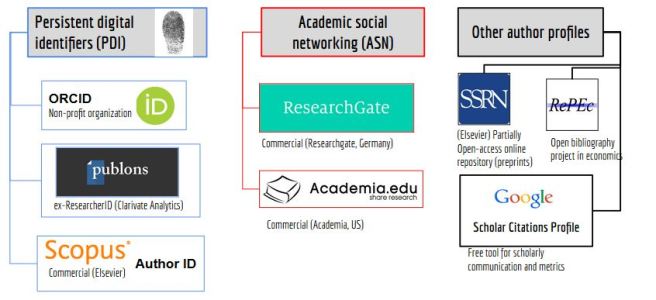
Many researcher profile platforms emerged over the past 20 years, such as ORCID, Google Scholar Citation Profile, Academia, etc. This article by Linda Leger aims to give you an overview of the most popular researcher profile tools.
Continue reading “Where can you create researcher profiles for reference and networking?”Category: Information Literacy
What is research data?
Funding agencies now expect researchers to manage and share their research data following international standards and good practice from their field. But do you know what “research data” actually means? Before we get into the how, let’s focus on the “what”.
Continue reading “What is research data?”Should you share your published articles on academic social media?
Many scholars are confused and do not know if they can or should upload the pdfs of their articles on academic social media websites such as Researchgate or academia.edu. Our colleague Catherine Brendow tries to clear things up.
Continue reading “Should you share your published articles on academic social media?”Documenting data: Readme.txt
Sharing a dataset is nice, but to make it truly open you must make sure it can be interpreted and used in a meaningful way. This means your data should always include documentation that explains everything a third party should know, and a Readme file is perhaps the easiest sort of documentation you can create.
Continue reading “Documenting data: Readme.txt”Citation tools for LaTeX users
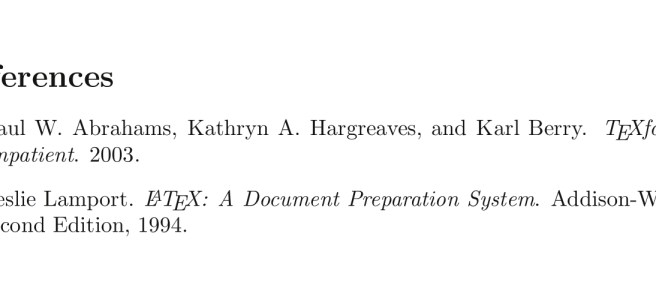
Sometimes Word or Libre Office just won’t do. Economists (and others) at the Graduate Institute need a tool such as LaTeX to insert mathematical expressions in their thesis. How can they cite their sources? Our citation managers specialist Catherine Brendow has some clues.
Continue reading “Citation tools for LaTeX users”