The academic publication landscape is complex and moving. Accessing the article you need should be simple, but often proves harder than expected. Here are some tips and tools which can help you on a daily basis.
Continue reading “Getting (legal) access to research articles”Category: Information Literacy
What’s in a (file)name?
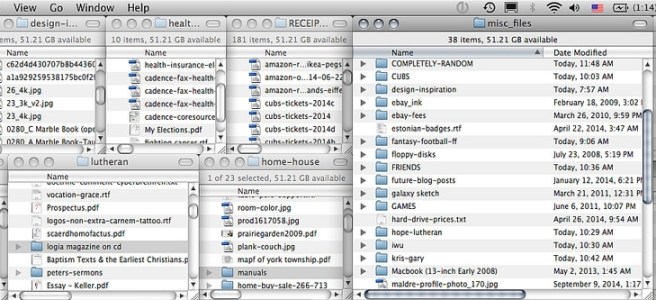
File names should not be arbitrary. They are the most basic sort of metadata: they can be used to describe what your files contain, as well as lots of other useful information. Learn how defining a file naming convention can help you identify at a glance what each of your files is really about.
Continue reading “What’s in a (file)name?”Analysing documentary films
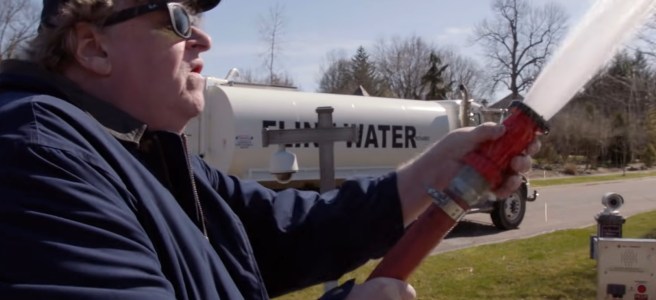
Professors at the Graduate Institute often use films to address the topic of their course, whether in history, political science, or anthropology. Most of these are documentaries that students will have to analyse with a critical eye. Based on the writings of Bill Nichols, the American founder of the study of documentary film, this post aims to give you clues for a better understanding of documentaries.
Continue reading “Analysing documentary films “Get library results through Google Scholar
Would you like to know whether the library can give you access to an article or book you found through Google Scholar? Here is how to set up your account to display the contents of our catalogue in your search results.
Continue reading “Get library results through Google Scholar”Zotero, an essential component of your academic toolbox
Each semester our colleague Catherine Brendow gives training sessions on Zotero attended by dozens of students. She has also written a quite comprehensive web guide to help students to use this tool. But what is Zotero and is it worth investing some time to learn how to use it? Here is why it is a great tool for anyone writing essays and theses.
Continue reading “Zotero, an essential component of your academic toolbox”